

TCL pivots to premium TV offering with Bang & Olufsen collab
Tue, 30th Jun 2026
TCL is sharpening its move into Australia's premium television market, unveiling a new flagship Mini-LED lineup that combines significantly brighter displays, Bang & Olufsen-certified audio, and Google's latest Gemini features as it looks to cement its position beyond the value segment.
The new range is headlined by TCL's impressive SQD Mini-LED televisions, across the C7L, C8L and flagship X11L series.
The latest generation of SQD (Super Quantum Dot) technology delivers improved colour accuracy, contrast and brightness through refined quantum dot materials and new colour filtering technology designed to reproduce more accurate colours while rejecting unwanted light.
The entry point into the premium lineup, the C7L series, offers up to 2176 local dimming zones and brightness levels reaching 3000 nits.
Moving up the range, the C8L increases those specifications to as many as 4032 dimming zones and 6000 nits of peak brightness.
Diehard gamers will certainly appreciate the beefed-up hardware and gaming features, including support for refresh rates up to 288Hz at 2K resolution and 144Hz in 4K across all HDMI ports.
At the top of the range sits the flagship X11L, which can reach 10,000 nits of brightness and has more than 20,000 local dimming zones.
Premium audio partnership
Beyond picture quality, TCL is also placing greater emphasis on premium sound, through a new collaboration with Danish audio experts Bang & Olufsen.
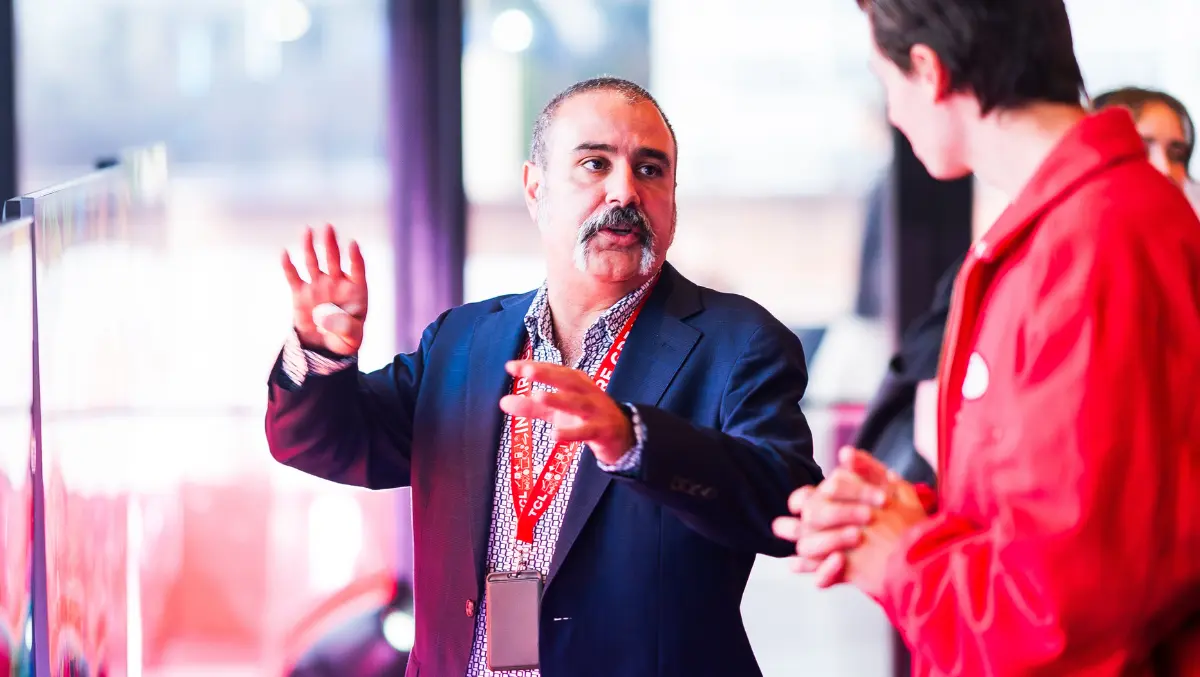
Richard Falzon, Product Manager at TCL Australia, said its televisions from the C7L series upwards are only given the stamp of approval after undergoing Bang & Olufsen's considerable testing process.
"These TVs need to go back to get tested, to get certified, so they must meet their strict audio requirements," Falzon said.
"You can clearly hear the difference, you can hear the fullness in the sound."
The flagship X11L incorporates four subwoofers alongside dedicated left, right and centre speakers, plus side-firing drivers to deliver Dolby Atmos sound directly from the television without requiring an external soundbar.
This new collaboration ensures consumers receive clearer, more balanced audio while maintaining minimal distortion, even at maximum volume.
Moving beyond value
While TCL built much of its early Australian success on providing excellent value for consumers, the China-based firm's sights were not set on disrupting Sony and Samsung at the top end of the TV market.
But Falzon, who has observed the evolution of TCL's product strategy over more than two decades, believes improvements in Mini-LED technology and continued investment in research and development have fundamentally shifted how consumers perceive the brand.
"I've been with the company for 21 years and our TVs have always given customers really good bang for their buck," Falzon said.
"In the early days people bought our product based on value, but the biggest shift I've seen is now we've got customers coming in wanting a TV based on its spec."
Consumers are increasingly evaluating features such as local dimming performance, gaming capabilities and colour accuracy rather than simply comparing prices.
Falzon was confident the company's flagship products would reinforce confidence across its broader portfolio, which spans budget-conscious TVs, all the way up to the X11L.
"(The perception is) if TCL makes this kind of product, well, I've got no issue in buying this product because I know this brand puts effort into its design and its R&D, and that carries across the whole range," he said.
Natural AI interactions with Gemini
Artificial intelligence is deeply embedded in the new TCL range, featuring broad integration of Google's Gemini platform.
A common irritation for consumers is when television AI gives up when unable to satisfy a request.
The latest Gemini AI platform, conversely, is designed to support more conversational interactions, asking follow-up questions when required instead of simply returning an error if it cannot interpret a request.
The new system can also tailor responses, depending on the audience.
During demonstrations, TCL asked Gemini to explain Mini-LED technology to both a three-year-old child and a Harvard graduate, with the AI adjusting the complexity of its explanation accordingly.
"It's more conversational. It's a more human approach to AI," Falzon said.
"If it doesn't understand something you say, it asks you for more information and it can give you the answer that you require."
The AI capabilities also extend to controlling television settings and connected smart home functions using more natural language, reducing the need for users to remember precise voice commands.
The latest announcements reflect TCL's broader strategy to compete with established players in the premium television market, combining high-end display technology, certified audio performance and increasingly sophisticated AI features, while still maintaining the value proposition that's helped establish the brand in Australia over decades.