


Babeltext has released a short film aimed at Sydney tourism businesses, setting out its case for multilingual customer messaging.
The video follows a Japanese traveller who cannot find her hotel and gets help in her own language through a messaging exchange that ends in Bondi. Babeltext uses the scenario to argue that tourism operators can respond to overseas visitors without employing staff for every language they encounter.
Travellers can contact a business through channels they already use, including WhatsApp, WeChat, SMS and web chat, and receive replies in any of 249 languages. Routine questions are handled by AI, while staff can step into the same message thread when a situation needs human judgement.
The system is built around a single continuous conversation. A traveller reads and writes in their own language, while the staff member sees the exchange in theirs, without either side changing channel or asking the customer to repeat information.
Babeltext said the model emerged from its research with travel agents during product development. Agents reported difficulty communicating with culturally and linguistically diverse travellers and said language barriers were costing them bookings.
Agents often relied on general translation tools for one-off exchanges, but found the process hard to sustain when multiple enquiries arrived at once. Handling several conversations across different languages required them to copy, paste and translate each message in turn, slowing replies while other customers waited.
Translation split
Testing also led Babeltext to change how AI was used in the system. It found that using one AI model as both translator and responder did not produce a sufficiently reliable result.
Instead, it separates translation from response generation. The customer's message is translated before it reaches the AI model, and the model's reply is then translated back into the traveller's original language.
Babeltext said this produces responses that are more accurate and more natural in tone than asking one model to manage both tasks at once. Staff remain part of the process for cases such as distressed customers, complex bookings or situations requiring discretion.
The split between automated and human handling is central to the company's pitch to the tourism sector. AI deals with questions such as directions, opening hours, availability and check-in times, while employees take over when the issue is more sensitive or commercially important.
Babeltext argues that this matters because customer loyalty can be shaped at the point of first contact. In its view, a traveller who sends an enquiry from overseas is making a decision not only about information, but also about where to book, stay or spend.
Small operators
The company said the system could help smaller tourism operators compete with larger hotel groups and online travel agencies that have broader customer service resources. Family-run tour businesses and regional motels have traditionally struggled to serve inbound visitors in several languages, particularly when demand is spread across many markets rather than concentrated in one.
By combining immediate automated responses with human intervention in the same thread, a small team could manage enquiries from travellers speaking Korean, German or Chinese over the course of an afternoon, according to Babeltext. The company argues that operators can extend their reach to more inbound markets without hiring separate staff for each language.
The implications extend beyond customer service, the company said. A multilingual message thread can begin with an enquiry, continue through booking and arrival, and remain open after the stay, leaving the business in the traveller's contact list for repeat visits or referrals.
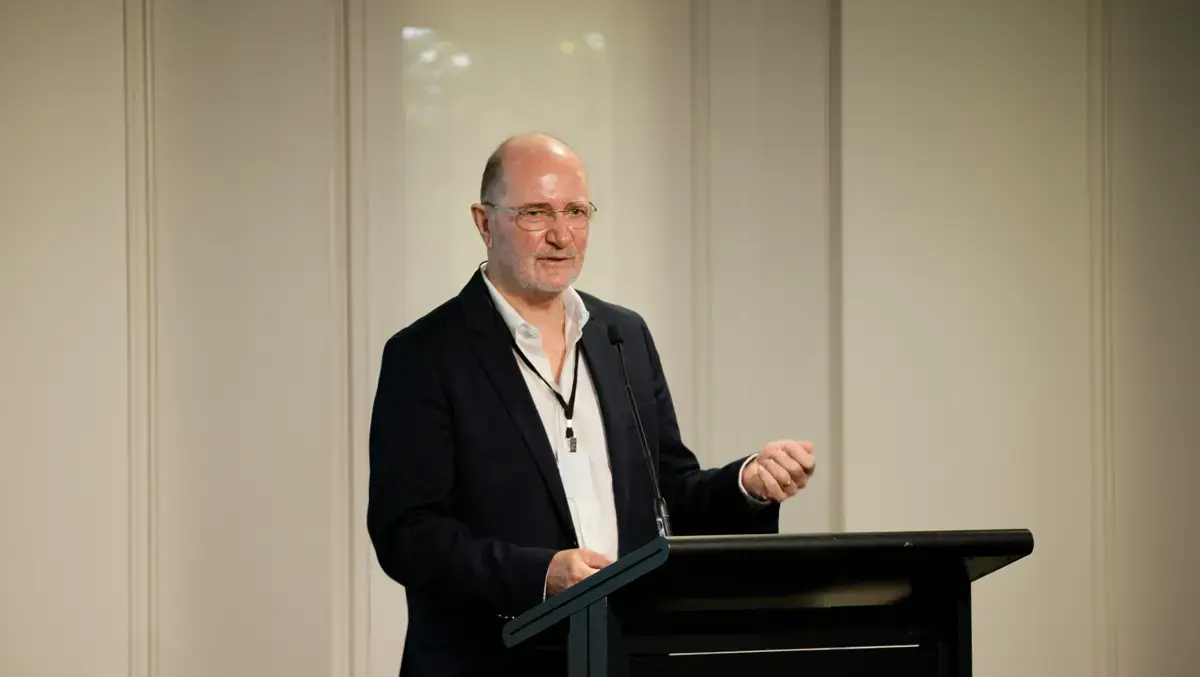
David Hayes, Founder and Managing Director, said the burden of language support should sit with the operator rather than the visitor. "Translation apps put the work on the traveller. We put it on the business, where it belongs," Hayes said. "AI gives you speed and reach across 249 languages. Your people give you the warmth and the local knowledge. Together they turn a lost visitor into a guest who comes back."
The release of the film under Babeltext's AU Travel Insider banner reflects a broader commercial push into tourism, where competition for international visitors often begins with a digital enquiry rather than a phone call. Operators that answer first in the traveller's own language may be better placed to convert interest into bookings, the company said.
Babeltext describes itself as a multilingual messaging platform that combines AI and human agents in a single interface across 249 languages and channels including SMS, WhatsApp, WeChat and web chat.