

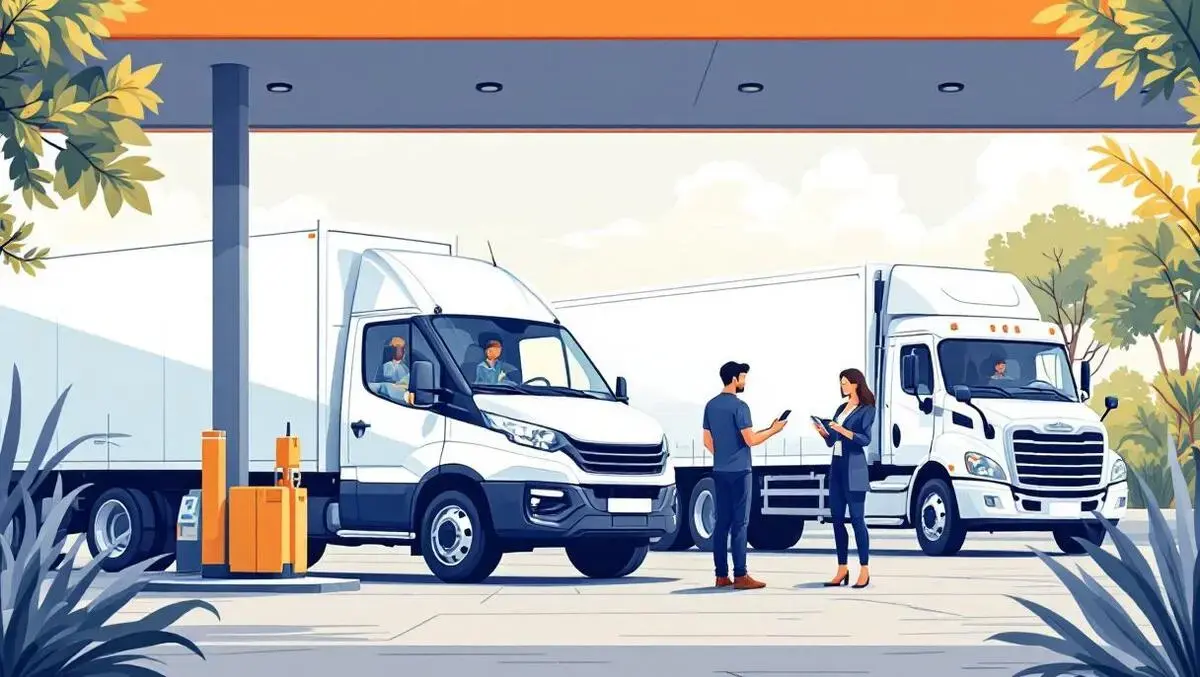
Visa & Westpac launch digital fleet payments in Australia
Wed, 8th Apr 2026
Visa will launch a digital fleet payments product in Australia with Westpac in the second half of 2026.
The deal gives Visa its first fleet partnership in Australia and signals a shift away from traditional fuel cards tied to specific merchants.
Businesses will be able to issue digital Visa credentials to drivers through mobile wallets for vehicle-related spending. The credentials can be used anywhere Visa is accepted, covering fuel, maintenance, tolls and other fleet costs.
That differs from older fleet card models, which often rely on physical cards and limited acceptance networks. The new structure is designed to give fleet operators a single payment method across multiple spending categories.
The product will run on Pismo, Visa's cloud-based banking and payments platform, and use Visa Fleet 2.0. It will provide real-time transaction data and allow fleet managers to apply spending controls.
Visa says the service is designed to improve oversight of day-to-day fleet spending and reduce the administrative work tied to physical card issuance and expense reimbursement. It also uses tokenisation as part of its security set-up.
For fleet operators, one practical change is that drivers would no longer need to rely on personal cards for some expenses while waiting for a company fuel card to arrive. Fleet managers would also be able to monitor transactions as they happen rather than after statements are processed.
Westpac will offer the product through its institutional banking arm, allowing corporate clients to adopt the system without signing up with another supplier.
"This brings fleet payments together in one simple card, so businesses can see what's being spent, stay in control, and spend less time on admin. Working with Visa helps us offer something that's straightforward to use today and flexible enough to grow with Australian businesses," said Jeff Byrne, Managing Director of Global Transaction Services at Westpac Institutional Bank.
Market shift
The Australian fleet payments market has long been dominated by fuel cards accepted only within specific networks. By using an open-loop model based on Visa acceptance, the companies aim to expand where drivers can pay and how fleet managers collect data on those purchases.
The move also reflects a broader shift in commercial payments, as banks and card networks replace paper-based and closed-network processes with digital credentials and app-based controls. In fleet management, that means tighter control over spending categories and faster visibility into unusual transactions.
The Westpac partnership is part of Visa's broader push to reshape fleet and mobility payments in Australia. More partner arrangements are expected to follow, expanding access to the model and supporting additional uses in the sector.
Ben Adams, Head of Visa Commercial & Government Solutions for Visa Oceania, said the partnership is intended to move the sector away from older payment structures.
"Fleet programs are ready for a step change, and partnerships like this with Westpac are critical to delivering it," Adams said.
"By bringing Visa's digital payment capabilities together with Westpac's strong customer relationships, we are helping Australian businesses modernise fleet operations. This is an inflection point for fleet and mobility payments which opens the door to innovative new use cases that simply wasn't possible before," Adams said.
How it works
At the core of the offering is a digital credential that can be added to a driver's mobile wallet instead of being issued only as a plastic fleet or fuel card. Because it runs on Visa's network, it can be accepted by a wider range of merchants than a conventional fuel-only product.
Pismo provides the underlying infrastructure for transaction processing and data handling. Visa says that architecture supports immediate data feeds and spending controls, which are central to how fleet operators monitor fuel and other vehicle-related costs.
For Westpac, the agreement adds a specialised payments product for business customers as banks look for more ways to embed payment services into operational workflows. For Visa, it expands its commercial payments footprint in Australia by targeting a segment that has historically sat outside mainstream corporate card products.
The service is aimed at businesses seeking a single payment tool for multiple vehicle expenses rather than separate systems for fuel, tolls and maintenance. The platform will provide rich transaction data and immediate visibility into fleet spending.