

Australian SMEs stay on target as confidence weakens
Thu, 3rd Sep 2026%201.webp)
Australian small and medium-sized businesses continue to meet revenue targets despite weaker confidence. New survey data from lender Banjo shows most expect to meet or beat targets again over the next year.
The survey found 68% of SMEs achieved their revenue goals over the past 12 months, unchanged from six months earlier, while 72% expect to achieve or exceed their targets in the year ahead. At the same time, long-term business confidence fell to 64% from 71%, marking a notable decline over the past 18 months.
The results point to a divide between sentiment and trading performance. While confidence has softened, many businesses are still pursuing expansion plans and adjusting how they allocate money and resources.
Investment intentions have shifted towards technology and artificial intelligence, the most common growth initiative among respondents at 28%. That put it ahead of increased marketing spending at 23% and launching new products at 20%.
By contrast, fewer SMEs plan to add staff or buy major equipment. Planned increases in headcount dropped from 32% to 18%, suggesting owners are focusing more on productivity and efficiency than on physical expansion.
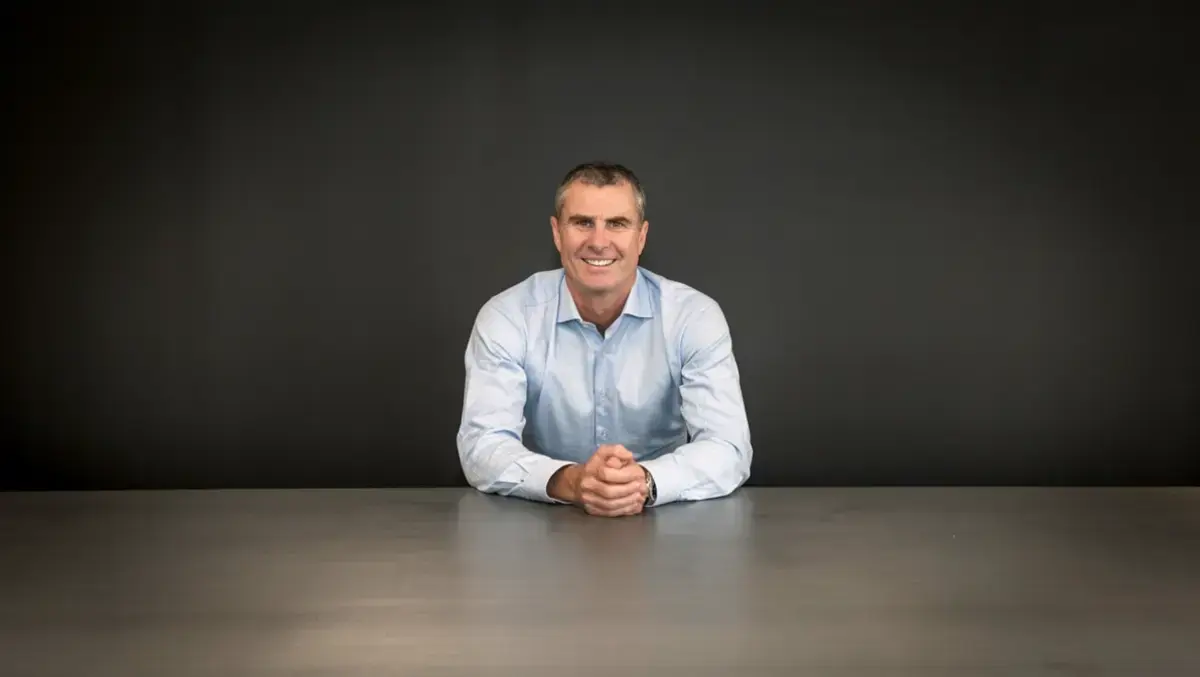
Guy Callaghan, Chief Executive Officer of Banjo, said the data showed a more complex picture than headline confidence readings alone.
"It's easy to focus on declining business confidence, but that's only part of the story. What we're seeing is a sector that continues to adapt, evolve and find ways to grow despite ongoing economic pressures," Callaghan said.
"Australian SMEs are still hitting their targets at much the same rate as they were six months ago. The difference is they're being more deliberate about how they invest, manage costs and pursue opportunities."
Pricing response
The survey also suggests price rises are becoming a more central part of SME strategy. More than one-third of respondents, or 36%, said pricing was now a key growth lever, and 47% expect to increase prices over the next 12 months.
That points to a shift in how smaller businesses are managing margin pressure. Rather than treating higher prices solely as a response to inflation, the findings indicate some owners are using pricing more deliberately to support revenue growth and profitability.
Cost pressures remain broad-based across the sector. Inflation was identified as the main challenge, with fuel, freight, energy and wage costs all adding strain to operating budgets.
Even so, respondents continued to identify openings for growth through attracting new customers, increasing customer spend and making targeted pricing decisions. The survey suggests many businesses are trying to protect earnings through a combination of selective investment and tighter financial management.
Callaghan said SMEs had not abandoned growth plans but had become more selective.
"The research suggests SMEs haven't lost their appetite for growth. They're simply becoming more selective about where they invest their time and money," he said.
"Rather than adding capacity for the sake of it, many businesses are investing in technology, systems and capabilities that can help them grow more efficiently."
Debt management
The data also showed signs of a more formal approach to tax debt. The proportion of SMEs carrying Australian Taxation Office debt rose from 19% to 23%, but among those businesses, 51% are now on formal ATO payment plans, up from 40% six months earlier.
That increase suggests more businesses are entering structured repayment arrangements instead of allowing liabilities to drift. For lenders and advisers, this can be an important indicator of how companies are handling cash flow pressure.
Callaghan said the move towards payment plans reflected earlier engagement with financial obligations.
"The increase in payment plans tells us that SMEs are engaging with challenges earlier and putting structured arrangements in place rather than avoiding them," he said.
"For many businesses, this isn't a solvency issue. It's about managing timing, cash flow and obligations in a more formal and considered way."
He also pointed to higher prices as a way to offset operating costs.
"We continue to see SMEs increasing the pricing of products and services, making this a key way of fighting rising operating costs," he said.
Resilient outlook
The findings reflect a sector that remains active even as confidence deteriorates. Businesses appear to be choosing investments that can support output from existing resources rather than committing to larger payrolls or heavy equipment purchases.
Banjo has provided nearly AUD $1 billion in loans since launch and focuses on established SMEs, with a typical client generating annual revenue of between AUD $5 million and AUD $15 million. Its latest survey adds to evidence that smaller businesses are adapting to a slower and more expensive operating environment through tighter planning and more targeted spending.
"SME owners have always been adaptable, and that's exactly what we're seeing in this research," Callaghan said.
"Confidence may have softened, but growth ambition remains remarkably resilient. Businesses are making pragmatic decisions, managing costs carefully and investing where they see the strongest return.
"The story here isn't one of businesses standing still. It's one of businesses adjusting to a changing environment and continuing to move forward."