Work-life balance stories
A global survey of 9,000 people found those who feel in control of their devices report better mood, wellbeing and performance.
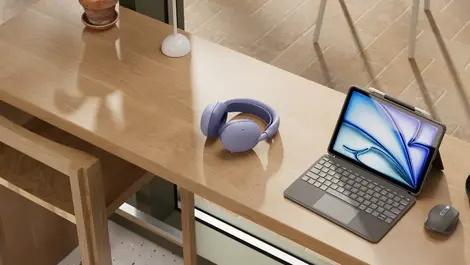
Hybrid workers can now use one headset for calls and music, as Logitech targets people splitting time between office, home and the move.
A Dext survey of more than 400 practitioners shows 60 per cent of Australian accountants and bookkeepers say heavy workloads are a daily challenge.
Most Australian leaders are using AI daily, but two-thirds are now planning to change jobs as flexibility and wellbeing outweigh pay.
Most senior leaders are open to moving on as work-life balance, flexibility and AI-driven change outweigh pay in retention decisions.
Parents worried about privacy and scams may get separate AI profiles, while TrendLife tests a new family-focused subscription starting at AU$16.50 a month.
Australian founders are losing time worth more than AUD $92 billion a year to routine admin, dragging on productivity and growth.
The recognition highlights efforts to improve women's progression in technology, where senior representation remains low across Australia and New Zealand.
Hybrid workers will soon be able to effortlessly swap between calls and music without changing headsets, as Logitech's new model lands in October.
New research shows 68% of SMEs now value stability over rapid expansion, prompting Mastercard to add business tools and cyber support.
Her consultancy's international growth and a maternity-leave setback have put Gemma Manning in the running for two national AusMumpreneur Awards.
Survey findings suggest domestic chores are fuelling stress for many adults, with LG pitching smart appliances as a way to ease the burden.
The ranking reflects employee feedback on trust, job satisfaction and work-life balance as tech firms battle for talent and retention.
For many owners, routine finance tasks are now eating into hiring, investment and growth plans as fragmented tools add to stress.
Canadians are increasingly frustrated by notifications, app switching and information overload, even as three-quarters say technology speeds their work.
Staff sentiment rose to 95% at the property website as it balanced rapid growth with extra leave, health cover and training support.
Workers are shouldering higher bills for desks, devices and utilities as employers shift the cost of remote work into homes.
Victims are being left to fend for themselves as fraud becomes industrialised, with many still blaming themselves after scams.
Parents facing school emails, letters and chat messages can now turn them into child-specific reminders as the new term begins.
Routine design admin is where AI is already easing pressure on architects, leaving more time for judgement, care and client work.