Burnout stories
Post-pandemic, women are leaving the workplace at the highest rate ever witnessed. The key to retaining female talent? Hybrid working.
Data security is critical to building an effective cyber security strategy, according to more than 60 % of polled organisations.
Workplaces prepare for 'Great Resignation' as employees leave roles. Retention schemes are being boosted to combat the trend.
Criterion's Burnout Paradise gets yet another re-release, this time for the Nintendo Switch with Burnout Paradise Remastered.
Clear job descriptions and flexible working are key to preventing quiet quitting from denting morale and productivity.
Remote employees are at greater risk of burnout and isolation, making regular breaks and clear boundaries vital for well-being.
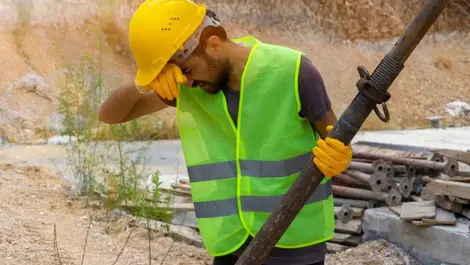
Construction workers still face rising anxiety and suicidal thoughts, with MATES in Construction warning wellbeing has not improved since lockdowns ended.
Workplace bullying and poor manager relations are being flagged as hidden drivers of costly construction injuries in New Zealand.
Out-of-hours messages are linked to burnout and poorer health among university staff, with researchers urging firms to respect the right to disconnect.
Employers must manage remote workers' health and safety risks, including mental wellbeing, with clear communication and home-working policies.
Poor management practices may triple workers’ risk of depression, with long hours, bullying and burnout adding to the toll.
Workers in New Zealand's construction sector have reported the country's lowest wellbeing score in a new survey of nearly 1,500 employees.
Nearly half of workers are logging longer hours for no extra pay, raising burnout, trust and retention risks for employers.
Missing colleagues and blurred boundaries can leave home workers strained unless managers set clear routines and realistic workloads.
Workers staying home face burnout, isolation and tech glitches unless they set boundaries, plan backups and keep in touch.
Home working may reshape offices, but firms will still need face-to-face contact to build trust, culture and productivity.
Chronic pressure at the office can harm health and performance, but simple changes in routine may help workers cope more easily.
Remote teams can stay productive without surveillance if firms cut meeting overload and set clearer boundaries, Basecamp’s Jason Fried says.
Employees need honest check-ins and flexible expectations as managers navigate remote work, mental health strain and constant uncertainty.
Employees can spot toxic managers early by three traits that often poison culture, morale and performance across the workplace.