

WARC survey says strategists see reasons for optimism
Tue, 20th Oct 2026 (Today)
WARC has released The Future of Strategy 2026, a survey-based report on agency-side marketing strategists. It found that 66% of strategists see clear reasons for optimism.
Based on responses from 489 strategists in a global survey conducted in August, the report examines how the role is changing as agencies face consolidation, reduced headcount, senior talent movement and wider use of artificial intelligence.
One of the clearest shifts was in how strategists view their standing with clients. Perceived influence with clients rose to 50%, up from 41% a year earlier, while internal influence was unchanged at 46%.
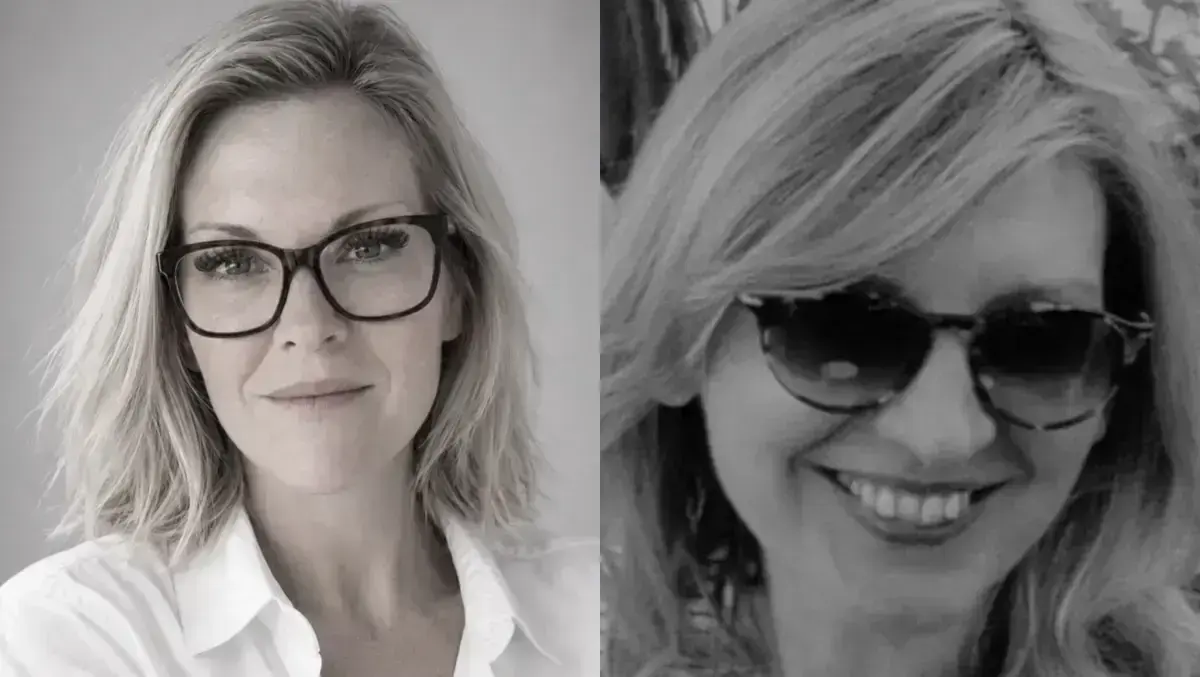
Lena Roland, Content Director, WARC Strategy, said: "Last year's report painted a gloomy picture of agency-side strategy. Twelve months on, the mood has shifted, with 66% of agency-side strategists agreeing there are clear reasons to be optimistic. As growth gets harder to find, strategists are moving upstream, beyond the brief and into the questions that matter most to CMOs."
The findings suggest agencies are asking strategists to work more directly on business issues rather than limiting them to communications planning. According to the survey, 83% of respondents expect their remit to include shaping business strategy.
Pressure on value
Despite stronger client influence, many respondents said the profession still struggles to demonstrate its commercial worth. More than half, 57%, said strategists need a new value proposition as compensation models come under pressure, while nearly 80% said the profession must build stronger arguments and evidence to prove business impact.
Strategists often create value indirectly through decision-making and waste reduction, making that contribution harder to measure, the report said. It argues that strategists can address this by linking recommendations to business outcomes and clearly identifying the problem solved.
A client-side perspective in the report points to the financial case for early strategic work. Stacy Taffet, Chief Growth & Marketing Officer, The Hershey Company, said: "The ROI on strategy is very high because when you do the upfront work to clarify brand foundations and business problems, ongoing content creation becomes effortless and more cost effective."
The report also reflects a broader debate over how strategy work should be defined. Nikita Walia, Partner, U.N.N.A.M.E.D., said: "The strategist who only understands the 'front stage' of a brand: messaging, insight, positioning... will quickly hit their ceiling. The strategist who understands the backstage: how things get made, distributed, and measured, will become indispensable."
AI tension
Artificial intelligence emerged as the biggest force reshaping the role. While many respondents said the technology is freeing time for higher-level work, concern over job displacement has also increased.
The survey found that 56% of strategists see AI replacing strategy roles as the top expected threat, up 15 percentage points from 41% in 2025. At the same time, 65% said they are redirecting time saved by AI tools to more nuanced strategic work, and 55% said AI will refocus strategy on human perspectives.
Respondents identified bland outputs, limited cultural nuance and a lack of emotional resonance among AI's main weaknesses. That leaves judgement, intuition and human understanding at the centre of the strategist's role, according to the report.
The report also found a drop in in-person qualitative research. Just 23% of respondents said they conduct in-person research at least monthly, down from 35% in 2025.
Elizabeth Paul, Chief Brand Officer, The Martin Agency, said: "AI should not give strategists permission to do less human research. It should give us the time to pursue more extraordinary truths with greater depth."
Paul added: "Ask the question the algorithm wouldn't know to ask. Find the strange behaviour, unresolved tension or cultural shift hiding in plain sight."
Moving upstream
Another theme in the findings is what WARC describes as strategy moving upstream. As marketers look for growth in tougher conditions, strategists are being drawn into broader questions around customer experience, public relations and commerce.
The report highlights the so-called "two audience problem", where brands must increasingly address both human audiences and machine-mediated systems. It also points to demand for new frameworks that reflect changes in media and for approaches that help brands identify new areas of growth.
Those shifts suggest a wider brief for strategists, but also a more demanding one, with stronger expectations around commercial literacy and accountability.