

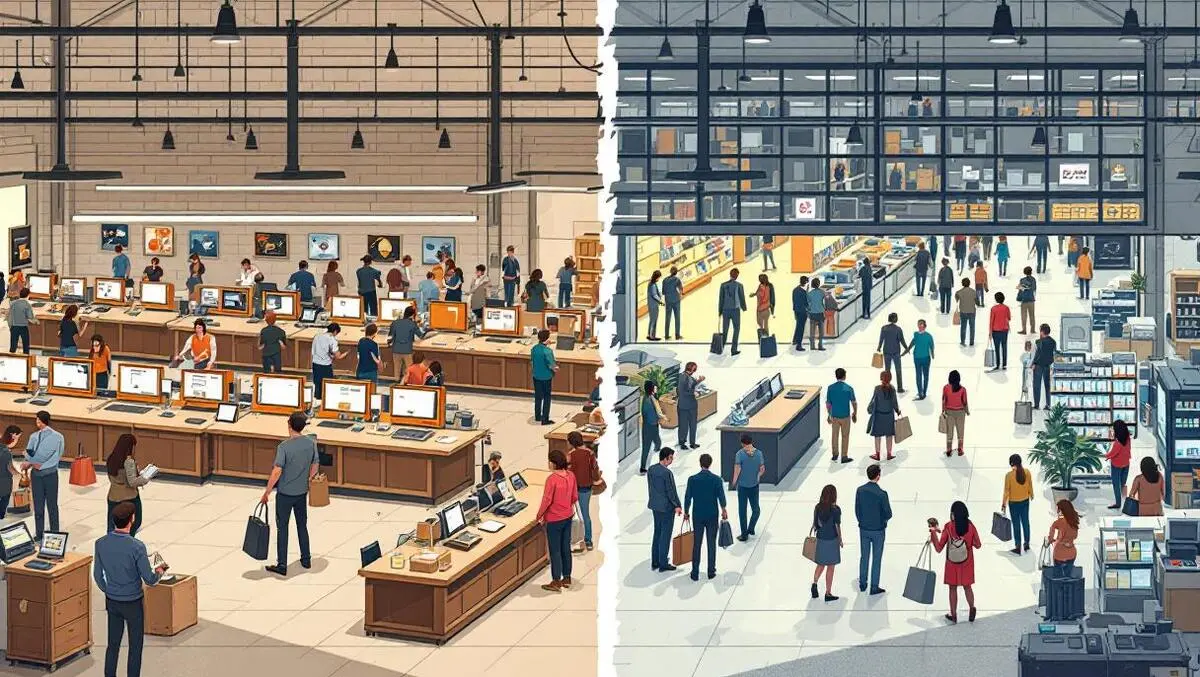
The high cost of doing nothing
Thu, 24th Jul 2025
Why now is not the time for retailers to delay technology projects
Let's talk about the elephant in the boardroom - tariffs and geopolitical headwinds that have made many retailers hesitant to invest in critical technology infrastructure. Over the past year, this uncertainty has led to a wave of delayed initiatives, frozen budgets, and a cautious stance that many believe is necessary to weather the storm. But is this approach truly prudent, or are we inadvertently setting ourselves up for greater risk?
The cost of inaction in times of turmoil
It's tempting for retailers to hold back spending when tariffs threaten to inflate costs and introduce new complexities. The logic? Freeze investments, tighten belts, and wait until clearer waters emerge. Yet, this pause isn't a neutral act - it's a costly one. When programs are delayed or shelved, companies aren't just stalling their plans; they're falling behind.
Customer expectations are evolving rapidly, especially in the era of omnichannel retail. Consumers demand seamless experiences, real-time inventory visibility, and rapid delivery - these are table stakes today. If retailers delay investing in technology solutions like supply chain visibility, automation, or scalable eCommerce systems, they risk losing relevance to competitors who press forward.
The hidden cost of delay
The true price of hesitation isn't immediately apparent. It manifests gradually through lost market share, declining margins, and missed opportunities. Companies that once viewed digital transformation as optional now realise it's essential for resilience and growth. Postponing investments in technology during uncertain times might seem like a prudent way to preserve capital during tumultuous periods, but it often leads to a far greater future expense.
The danger is in the 'rebound' phase. Once geopolitical tensions ease and tariffs diminish, a sudden surge in demand is likely. Retailers will rush to upgrade systems, ramp up logistics, and expand online capabilities - only to find vendors fully booked, prices inflated, and resources scarce. Those who delayed will face skyrocketing costs, compromised quality, and an inability to scale swiftly.
Lessons from the global pandemic
The global pandemic was a challenging time for retailers, but despite the uncertainty, some continued with their digital transformation plans and today are much stronger and more resilient to the changes we've seen so far in 2025.
Barbeques Galore is one example of a retailer in Australia which needed a much more efficient way of getting orders out to customers, so invested in Fluent Order Management. Despite the project having to stop and start due to various Covid19 restrictions, Fluent Order Management was rolled out to all stores, providing real-time visibility of inventory, so the Barbeques Galore team could get their goods out to customers in the most efficient way. The pick and pack process of getting products out to customers was also more efficient and automated, which meant customer experienced improved, staff had more time to spend with customers in-store and customer retention increased. Order processing time was reduced by 49% and shipping dispatch times by 32%.
Similarly, T2 Tea rolled out Fluent Order Management in early 2022. Since implementation, they have seen an overall reduction in fulfillment turnaround time, more cost-effective fulfillment by avoiding interstate shipping, and greater resilience during disruptions. They now have the flexibility to easily shift fulfillment between stores and distribution centres, which has been critical during events like Cyclone Alfred and can now adapt quickly and easily to changing market conditions.
What retailers should do now
In times like these, strategic agility is critical. Here are some steps retailers should consider:
Audit and Reassess: Revisit existing technology programs. Are they aligned with long-term strategy? If so, why pause? If not, reconsider.
Secure Critical Partnerships: Engage with key vendors early to lock in capacity and pricing before supply-demand dynamics shift.
Start Small, Think Big: Pilot new technologies or improve existing ones incrementally. A phased approach reduces risk and allows for course correction.
Communicate Clearly: Educate leadership on the long-term costs of delays - lost market opportunities, increased costs at scale, and rising customer dissatisfaction.
The bottom line: Investment is essential for competitive edge
While tariffs and geopolitical tensions are real and impactful, adopting a risk-averse stance that halts technology investments can be a greater threat to a retailer's future than the tariffs themselves. Inaction today risks making your business obsolete tomorrow.
History shows that those who resist the temptation to pull back, who instead re-prioritise and adapt while others hesitate, will emerge stronger from market upheavals. Technology isn't just a cost centre; it's a strategic asset. Keeping it in focus ensures resilience, agility, and growth, even amid uncertainty.