

%201.webp)
Australia's unemployment rate rose to 4.5% in July, but CreditorWatch said the increase did not signal a material weakening in the labour market.
The rise largely reflected rounding, with the jobless rate moving from 4.43% in June to 4.46% in July.
Employment fell by 16,000 in July, missing economists' expectations for a 12,000 increase. That followed a strong rise in June, first reported as a gain of 76,000 and later revised up to 80,000.
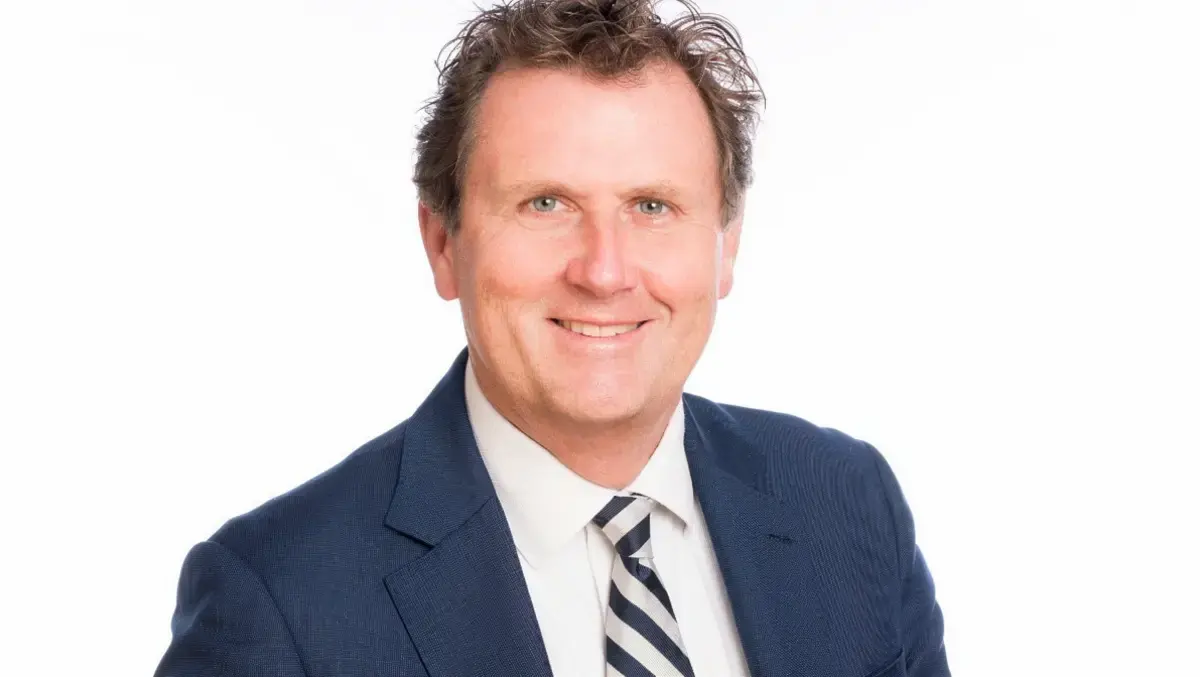
Ivan Colhoun, Chief Economist at CreditorWatch, said the July figures should be treated with caution because the increase in unemployment was slight and other indicators had not shown a clear drop in labour demand.
He said job advertisements were a steadier guide to labour market conditions. SEEK job ads fell sharply in May and edged lower again in June and July, while ANZ-Indeed job ads did not show the same easing, suggesting demand for workers had not deteriorated sharply.
Colhoun said underemployment and youth unemployment also improved slightly in July. Those measures had risen in recent months, prompting some economists to argue that the Reserve Bank of Australia's tightening cycle had ended, but he said he remained cautious about reading too much into those moves.
"At face value, the reported rise in the unemployment rate to 4.5% in July might be worrying, but the rise this month mostly reflected rounding, with only a 0.03% increase occurring at 2 decimal places (from 4.43% to 4.46%)," said Ivan Colhoun, Chief Economist at CreditorWatch.
He said the fall in employment was not wholly unexpected after the previous month's large gain. Some of the volatility in the latest figures may also reflect changes in the timing of people starting work, linked to the impact of the Iran war, as well as shifts in the Australian Bureau of Statistics rotation sample.
The analysis matters for financial markets because many economists, including those at Australia's four major banks, believe official interest rates have peaked. Colhoun said the latest labour force data supported that view, but did not settle the question.
"The data is of course helpful to the many economists, including those of the four major banks, predicting that Australian interest rates have peaked. It's in no way conclusive in this regard to me," Colhoun said.
He said the Reserve Bank remained rightly focused on the risk that inflation could stay higher than hoped. In his view, demand-side inflation pressures, including those linked to heavy investment in artificial intelligence, mean rates in Australia and the United States may yet rise further and are unlikely to be cut soon.
"The RBA continues to be (appropriately) worried about upside risks to inflation (the ongoing rise in costs for consumers and businesses), as am I," Colhoun said.
Patchy economy
Conditions across the Australian economy remain uneven, CreditorWatch said. Spending linked to artificial intelligence, renewable energy and defence is helping support Mining and Construction, while other parts of the economy continue to face pressure from higher borrowing costs and oil prices.
That matters for businesses because a stable labour market does not mean all sectors are seeing the same trading conditions. Companies exposed to stronger investment trends may continue to hold up, while firms in sectors more sensitive to household spending and financing costs may remain under strain.
Colhoun said the state picture was also mixed, though less concerning than it had appeared earlier. State unemployment rates can be volatile from month to month, especially in smaller states, but the earlier suggestion of rising unemployment across three of the four largest states had faded outside Victoria and Queensland.
Unemployment was again trending lower in New South Wales and Western Australia, reducing concern about the national trend, he said. At the same time, job advertisements in Victoria, the state that has driven much of the recent lift in the national unemployment rate, had been relatively stable, while Western Australia recorded a slight rise.
New South Wales and Queensland accounted for much of the recent softness in job ads, but there had been no abrupt shift, CreditorWatch said. That supports the broader view that the labour market is loosening only gradually rather than entering a sharper downturn.
For businesses, that leaves a difficult balance. Borrowing costs remain high, sector conditions differ widely and inflation risks are still present, yet employment conditions have not weakened enough to suggest a broad collapse in demand.
"That means that businesses not benefiting from the tailwinds described above will continue to find conditions challenging, though importantly, the labour market is not weakening significantly, which would be a far worse situation," Colhoun said.