Waste Management stories
Vertel and Ondacomms join forces to provide waste management service, Grasshopper Environmental, with wide-area radio solution.
Experts say the $50 billion COVID-19 recovery plan will lift jobs and infrastructure, but warn it leaves big tax and housing gaps.
Recognition of waste-to-energy plants as essential has sharpened focus on their role in safely treating infectious rubbish during the pandemic.
Bond markets and prolonged virus disruption could strain weaker firms, with airlines, shipping and non-food retail facing the biggest risk.
The new plant will treat 40,000 tonnes of hazardous waste a year, helping Shanghai industry meet stricter emissions standards.
A waxworm’s gut microbes could help scientists devise ways to break down polyethylene, offering a possible route to curb mounting plastic pollution.
Youth, immigrants and urban Maori are most at risk as planners warn New Zealand must better reflect its diverse communities.
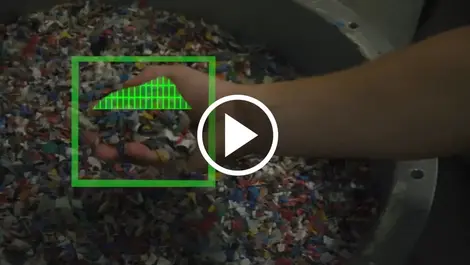
Recycling plants are cutting contamination and costs as nearly 100 AI-powered machines take over the tedious sorting humans often get wrong.
Environmental pressure is forcing China to curb single-use plastics, with major cities set to lose plastic bags by year-end.
Investors may pour more money into low-carbon projects this year, but election outcomes and climate shocks could still slow decarbonisation.
Rising visitor numbers are putting New Zealand’s lakes, tracks and towns under strain, with a watchdog warning current policy will not curb damage.
Demand for high-quality recycled plastics is rising as Borealis turns waste into branded consumer goods through key partnerships.
Britain could cut aviation emissions and landfill use as a planned waste-to-fuels plant near Immingham seeks approval, creating 130 jobs.
Rural farms could cut power bills and earn extra income as a new on-site biogas and solar system turns waste into electricity and fertiliser.
Without a national framework, Australian energy-from-waste projects risk stranded investment and misallocated feedstock in the circular economy.
Insect bioconversion could turn millions of tonnes of food waste into animal feed, biodiesel and packaging materials, while cutting emissions.
Nearly 80,000 workers die each year in the EU from carcinogen exposure, much of it preventable with better controls and training.
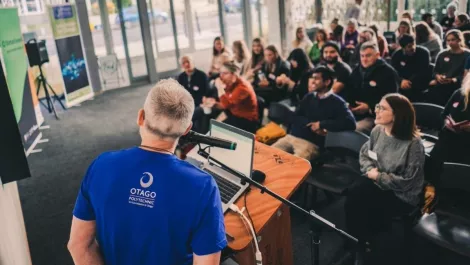
Dunedin startups joined forces at Waste Jam, a 48-hour event, to innovate in waste minimisation, drawing support from local leaders and experts.
Pragmatic solutions are needed to cut waste, trim compliance costs and keep safety goals intact as prescriptive rules prove too rigid.
Redesigned equipment is back in the Pacific as the Ocean Cleanup makes a second bid to trap plastic in the Great Pacific Garbage Patch.