Security testing stories
Procurement teams in defence and critical infrastructure may now view White Rook Cyber more favourably after its CREST testing approval.
Security teams can now prioritise proven attack paths over noisy alerts as RidgeBot findings feed directly into CrowdStrike Falcon Next-Gen SIEM.
API-related breaches now cost organisations more than USD $700,000 on average, as AI-linked interfaces draw fresh hacker attention.
Three-quarters of organisations now see third-party software as a top risk, as AI flaws and supply-chain gaps slow security fixes.
Rising AI-generated vulnerability reports are leaving security teams with record backlogs and only hours to judge which flaws hackers can exploit.
The framework is designed to expose hidden risks in production AI systems that can be missed by conventional one-off tests.
Offensive AI is widening exposure gaps for firms that test only a third of their attack surfaces on average, Synack says.
Boards in regulated sectors now have firmer assurance after Abacus secured CREST approval for penetration testing, renewed annually.
Businesses face growing exposure to API and AI-driven attacks as Check Point’s web application firewall earns top marks for accuracy.
Sensitive chats and uploaded files could have been quietly leaked from ChatGPT via DNS tunnelling before OpenAI fixed the flaw.
Corporate buyers may take note as eScan’s Enterprise EDR earned AV-TEST’s Best Advanced Protection award for consistency against ransomware and infostealers.
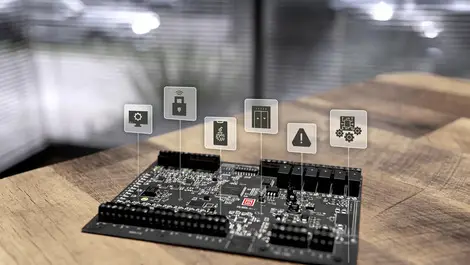
Approved developers can now build software directly on Mercury MP Intelligent Controllers, aiming to add edge-based integrations without replacing core systems.
Many enterprises still cannot prove they can restore data quickly enough as cloud, container and AI systems outpace traditional backup plans.
Security teams now have a beta tool to probe large language model apps for prompt injection, jailbreaks and data theft before attackers do.
Horizon3.ai doubles ARR as more than 5,200 organisations adopt its NodeZero platform, fuelled by MSSP demand and rising cyber risks.
Seven critical weaknesses were found in live production systems over a weekend, showing AI-driven pentests can now uncover basic flaws cheaply.
UK cyber security suppliers could gain access to regulated procurement frameworks under a new accreditation scheme based on staff competence.
Customer data and service security may be at risk, as nearly one in five UK telecom web servers leak configuration details, a study finds.
Security teams are turning to continuous, risk-based assessment as fragmented tools leave them unable to see which exposures matter most.
Projects in Lunar Strategy’s network will now get earlier security checks, as Cyberscope moves into smart contract audits before token launches and expansion.