Natural Disasters stories
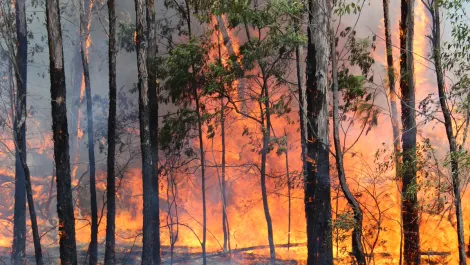
ICEYE will empower national and provincial agencies throughout Australia to enhance country-wide resilience and supply flood and bushfire hazard data.
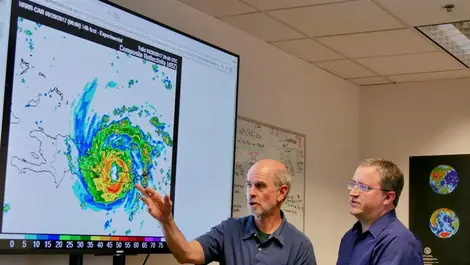
Additional funding will boost flood forecasting and climate adaptation work after recent cyclones exposed gaps in New Zealand's resilience.
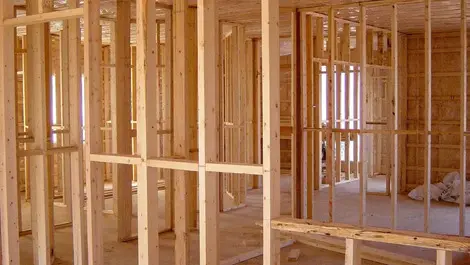
Homeowners may be underinsured as rebuilding costs in New Zealand hit record highs, with some code changes adding 5-20% to bills.
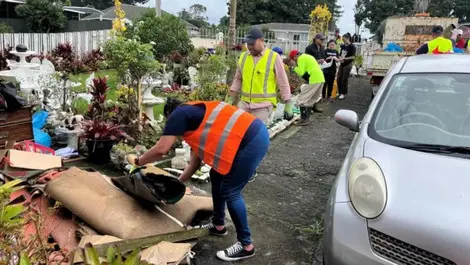
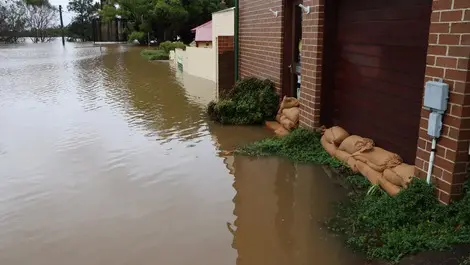
Workers face contamination risks from flood silt, with WorkSafe warning of germs, chemicals and asbestos during clean-up.
Sales and listings fell sharply in cyclone-hit regions, even as nationwide housing stock returned to more normal levels in February.
Specialist engineers, technicians and insurance assessors can be brought in within a week to speed North Island cyclone recovery.
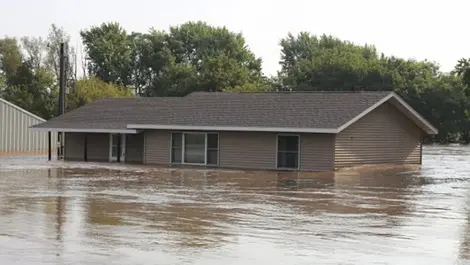
Back-to-back storms are exposing weaknesses in Auckland’s ageing drainage system and testing community recovery after record flooding.
Rising rebuild costs are leaving many Kiwi homeowners exposed, with 30% unsure their cover would fully replace a total-loss house.
Families of high-risk workers could face devastating gaps if more employers fail to offer Wills and estate planning.
The report urges ministers to curb speculation, strengthen tenant rights and expand social housing after finding the crisis breaches basic rights.
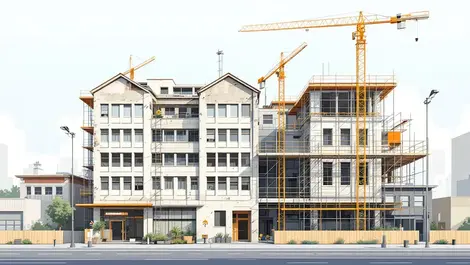
Resource consent has been granted for a planned Auckland office development that could retain 1.8 million kg of concrete and preserve heritage features.
Workplace injuries can be reduced with routine checks, training and housekeeping, helping employers protect staff and avoid costly downtime.
Prepared workplaces can cut fatal delays, with alarms, drills and first aid skills helping staff respond within minutes.
New Zealand property owners are being urged to avoid panic decisions, as low rates and support measures may help cushion the lockdown fallout.
Commercial landlords could face rent relief claims as lockdowns trigger emergency no access clauses in many New Zealand leases.
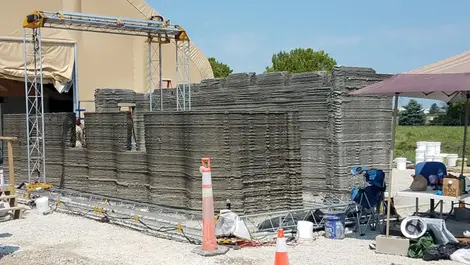
The rapid build could reduce exposure to danger and cut barracks construction time from five days to 40 hours in future missions.
Researchers say the technology could triage disaster victims and monitor patients remotely, without touching them, in seconds.
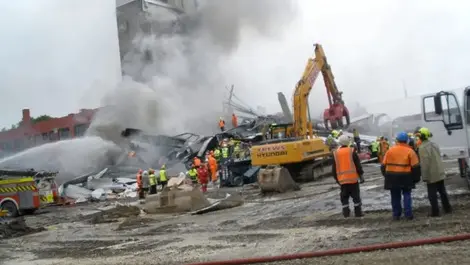
Christchurch faces a glut of CBD offices as Wellington’s prime space has all but vanished after quake damage, Colliers says.
An Otago University study says Christchurch’s liquefaction-affected soil could not support Legionella, ruling it out as a direct cause of the spike.
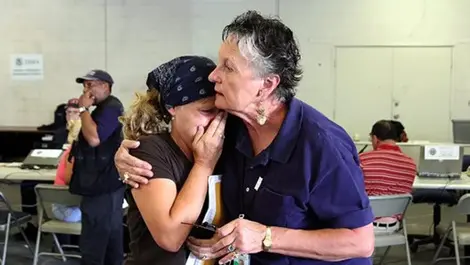
Training aims to equip communities with psychological first aid skills to calm survivors, reduce distress and speed recovery after disasters.