macOS stories
The move gives security teams visibility into unsanctioned AI tools on employee devices, as firms struggle to control software running outside IT approval.
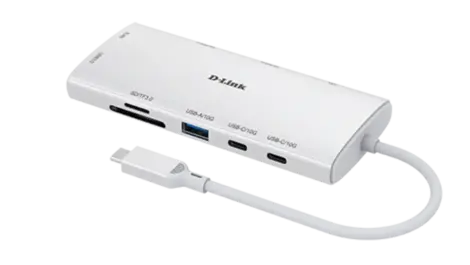
Hybrid work demand is driving Australian buyers toward compact accessories that add displays, networking and charging to laptop ports.
A flaw in the host operating system can still hand attackers root access, even when apps, containers and identity controls all hold firm.
Travellers and remote workers can buy a pocket-sized backup connection as the device supports up to eight users and costs AUD $79.95 in Australia.
It aims to close a growing security gap as 68% of organisations struggle to tell human and AI agent activity apart, research shows.
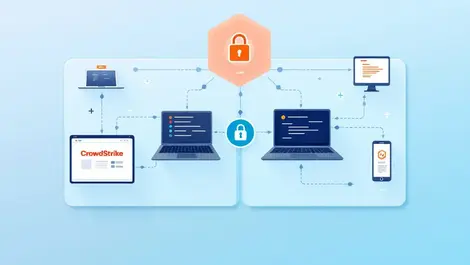
Joint customers can now trigger Jamf-led fixes and Apple device actions inside CrowdStrike workflows, closing gaps between security and IT teams.
Developers can now test AWS calls locally without an account or extra fees, though unsupported operations still return HTTP 501.
Existing customers will see no immediate change, while the first integration is slated for early 2027 to link support requests with device management.
It gives IT and security teams a way to spot unsanctioned AI tools on devices and link each agent to a user, even offline.
The second-generation model cuts setup friction for presenters, offering a 15-metre wireless link and 4K output without joining office Wi-Fi.
Developers can now protect sensitive SQL Server data on the client side after the update adds Always Encrypted support to SDAC and UniDAC.
Most security teams still miss known weaknesses, with Vicarius saying 79% of organisations suffered a related incident last year.
Students will be able to submit apps for Apple's phone, tablet, desktop, watch, TV and headset platforms in the 2027 challenge.
Endpoint teams could cut manual work and speed up fixes as Fleet's Git-based device management push won backing from Cisco and others.
The result underscores how microsegmentation can stop an AI intruder from turning one compromised machine into wider network access.
IT teams can now monitor AI workstations and deskside supercomputers alongside laptops and servers, tightening oversight as firms adopt NVIDIA hardware.
Attackers are abusing approved AI and admin tools to move through networks in minutes, making traditional trust-based defences far less reliable.
The new controls aim to curb AI agents' machine-speed access to company systems as research shows they can trigger thousands of endpoint actions.
It gives security teams visibility into unauthorised AI tools on employee devices, helping them assess risk before blocking policies are rolled out.
The update lets administrators investigate faults on Windows and macOS devices without taking over users' screens, reducing disruption during support work.