Health and Safety stories
APAC corporate travellers are concerned about the continuing health and safety threats from COVID-19, even as they retain high interest in travelling.
Macquarie Data Centres achieves perfect safety record in major 24-month infrastructure project for hyperscalers.
Demand for qualified electricians has seen 103 Whitireia and WelTec graduates snap up apprenticeships across Wellington and beyond.
Flood-hit workplaces face electric shock, gas and asbestos risks, prompting WorkSafe to urge staff to speak up before resuming duties.
Verified camera data shows 125 fatigue sleep events a day on New Zealand roads, with truck and car drivers nodding off more often.
Rising numbers of women in trades are driving demand for bras that support all-day physical work without the discomfort of sports bras.
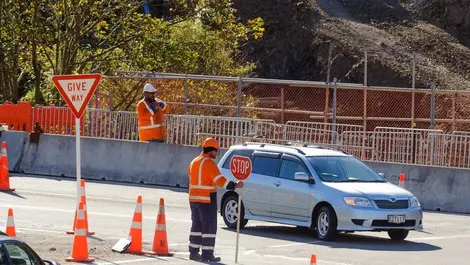
Road workers could soon gain formal recognition, as a new credential framework links temporary traffic control training to NZQF qualifications.
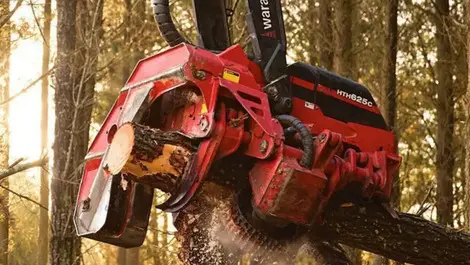
WorkSafe says inadequate training and oversight left a forestry technician fatally exposed to a harvester head repair in northern Hawke’s Bay.
Reported incidents have fallen as Watercare expands its Back 2 Basics safety sessions across all construction sites, with new multilingual guides planned.
Industry-backed codes are seen as the quickest fix for WorkSafe NZ’s stretched oversight of chemical safety, amid a widening funding gap.
Trials on Melbourne roads have led to a truck that deploys and retrieves cones automatically, cutting worker exposure to traffic risks.
Construction apprentices are being flagged for urgent help after 211,235 confidential text check-ins uncovered 74 extreme-risk cases.
A Northland steel worker lost part of a finger after his hand slipped into an unguarded press brake, prompting a USD $220,000 fine.
WorkSafe says the case underlines lead contractors’ duty to protect subcontractors after a roofer fell 4.5 metres in Sydenham.
Poor handling of asbestos remains a deadly threat in ageing buildings, with WorkSafe warning around 220 New Zealanders die each year.
WorkSafe says the case highlights how moving or copying machinery without fresh checks can expose workers to fatal crushing hazards.
Businesses retrofitting flammable hydrocarbon refrigerants into existing cooling systems face a heightened fire and explosion risk, WorkSafe says.
Better training, clearer signage and prompt reporting can help industrial employers cut accidents before they injure workers or halt production.
A $100,000 fine and $43,000 reparation follow a roof-fall that left an Auckland worker with multiple fractures and a year-long recovery.
WorkSafe New Zealand has opted for a binding safety deal after a truck driver was killed in a landfill incident, avoiding prosecution.