Fraud stories
Most Australians are planning earlier, tighter festive budgets as 60% say they feel anxious about Christmas spending amid cost-of-living pressure.
The launch has raised fresh concerns over stranger contact, scams and in-game spending, with an R18+ rating limiting access for younger players.
Australian shoppers face a higher risk of fake retailers and AI-driven fraud this Black Friday, with losses already climbing 21.8% this year.
Consumer scam reports will now flow into a global network used by platforms and telecoms operators, widening early warnings as fraud shifts across services.
Rising fraud, climate losses and regulatory scrutiny could squeeze insurers in 2027 as SAS warns AI will sharpen risks as well as defences.
Public agencies are expected to shift fraud checks earlier in 2027 as AI-fuelled scams, false claims and identity abuse become harder to spot.
Consumers have been urged to check sellers carefully as hundreds of suspect listings emerge after the container raid, with police still hunting the stolen stock.
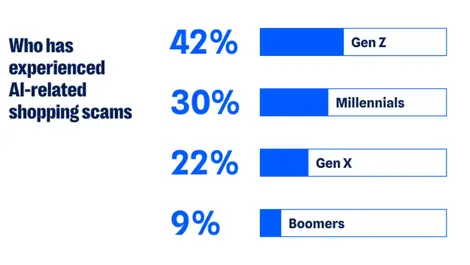
Holiday shoppers are increasingly exposed to harder-to-spot fraud, with 28% of consumers saying they have fallen for an AI-related scam in the past year.
Banks and payment providers may need fresh rules for software-led transactions as AI agents blur the line between customer intent and fraud.
A cross-sector sharing model could help firms spot scams earlier, as regulators and major payments groups back efforts to curb fraud across Asia Pacific.
More than three in five finance professionals said their organisations had lost money to fraud in the past three years, SAP Concur found.
As Black Friday nears, tougher return policies may merely shift losses into chargebacks and put off legitimate shoppers.
Unsigned pages can be added to a signed PDF without breaking its cryptographic seal, leaving businesses and public bodies exposed to fraud.
Almost half of UK Gen Z consumers have encountered AI deepfake scams, as fraudsters increasingly target them through messaging apps and social media.
Retailers face heavier fraud and disruption this Black Friday, as Thales says 41% of retail web traffic in 2025 came from bad bots.
Six New Zealand victims lost more than $54,000 after deposits for bogus Auckland home-improvement work vanished, a court heard.
Many UK firms are overlooking identity checks, with 60% of bosses saying simple and qualified e-signatures offer the same assurance.
Late payments, fraud and overdraft charges are costing U.S. households an estimated average of USD $1,202 per household a year, doxo says.
Online shoppers face greater fraud and outage risk as attacks on UK retail sites are running 169% above last year's levels, SonicWall says.
Confident shoppers are the easiest to fool, with Uswitch estimating online shopping scam losses of GBP £463 million across the UK.