Energy efficient stories
South Australia's Kanyini satellite now uses Myriota's IoT payload to monitor water, soil, and agriculture remotely, boosting sustainability and efficiency.
Carrier unveils QuantumLeap data centre cooling in Singapore, boosting efficiency and sustainability amid Asia's $800bn data centre investment surge by 2030.
LG Electronics won 17 awards at the inaugural IFA 2025, including Best of IFA for its wireless transparent OLED T television.
Acron Aviation has launched Astra, an iOS app providing pilots and airlines with personalised data and insights to enhance flight safety and efficiency.
Vultr offers early access to AMD Instinct MI355X GPU, delivering powerful AI and HPC capabilities through its global cloud infrastructure from Q3 2024.
Sharp has launched new home appliances in Singapore, including microwaves, water heaters, washing machines, and 4K TVs, just in time for festive upgrades.
Greater reuse of building materials could cut emissions, lower costs and ease supply-chain risks as retrofits and construction expand.
Rising grid strain and climate shocks are forcing Australia and New Zealand to speed up electrified, digital infrastructure for safer, cleaner cities.
Asia Pacific firms are moving from pilots to GenAI scale-up, with talent shortages and data governance now the main brakes on returns.
Energy bills and gas demand could fall sharply as a new report says faster heat pump adoption would protect jobs and keep businesses open.
PPDS has appointed Jeroen Feldman as Solution Manager dvLED to boost its Philips Professional Displays technical sales team amid expanding LED solutions growth.
Singapore's Alpha Ladder Group patents a framework for carbon-backed stablecoins, linking real-world decarbonisation projects to blockchain technology for greener finance.
John Abbott College in Quebec boosts teaching flexibility and capacity with Kramer's AV over IP, enabling adaptable, networked classrooms without major construction.
New Zealand businesses are ramping up energy-transition spending, but many still lack net zero plans and public emissions reporting.
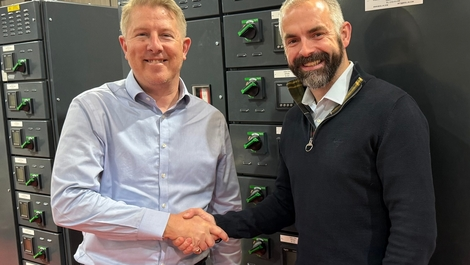
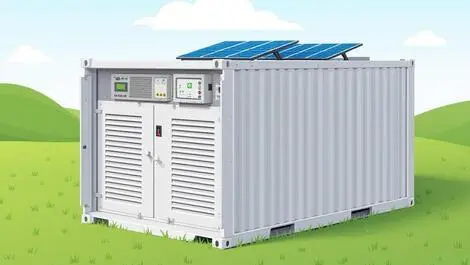
EfficiencyIT and Michael Smith Switchgear join forces to provide sustainable, UK-made modular data centres for AI and high-performance computing across Europe.
AMD launches Instinct MI350 GPUs and Helios rack-scale platform, aiming to boost AI performance and energy efficiency in hyperscale data centres by 2026.
Siemens, Cadolto, and Legrand have launched modular edge data centres offering scalable, energy-efficient solutions with rapid deployment and flexible financing options.
Falling section prices are making new builds slightly more affordable, even as construction costs keep rising faster than inflation.
Only 30% of manufacturers have scaled Industry 4.0 beyond pilots, leaving billions in value on the table as AI and automation spread.
Rising tenant demand is exposing a shortage of green offices, with Auckland alone facing a 164,000 sqm shortfall, JLL says.