

US de minimis suspension poses cost risks for Aussie exporters
Tue, 16th Sep 2025
Australian eCommerce brands exporting to the United States are set to face new operational and financial challenges following changes to US customs regulations.
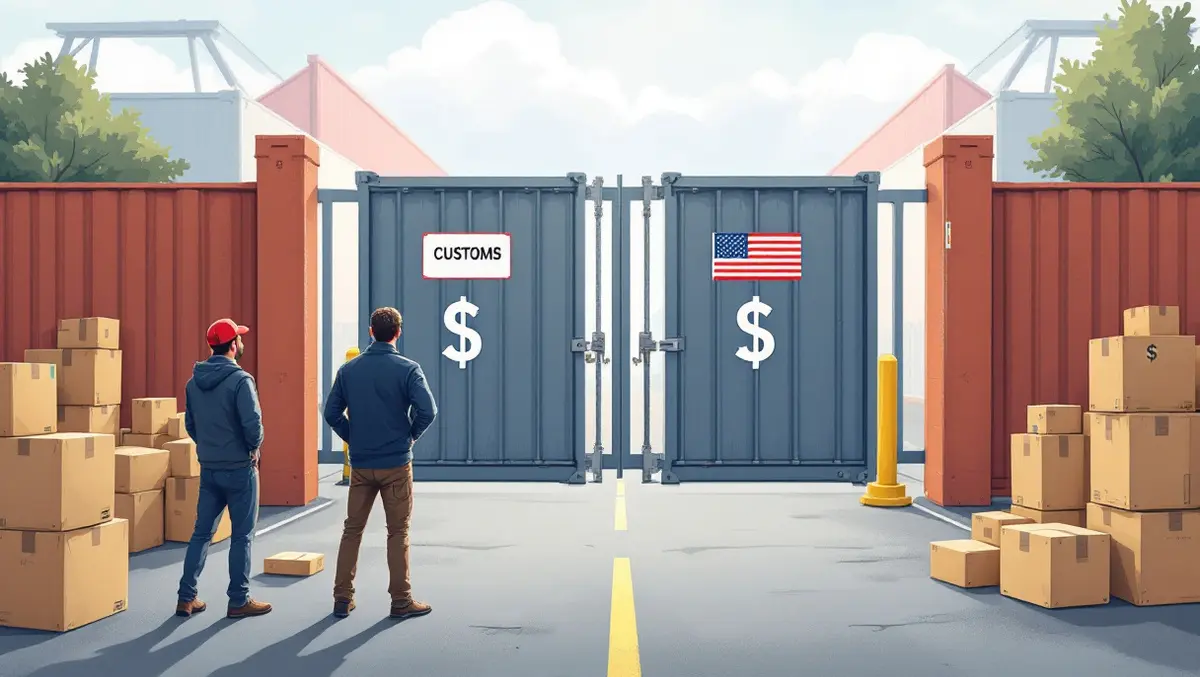
The US government has suspended its USD $800 de minimis threshold, a policy that previously allowed low-value imports to enter duty free. Now, all imports into the US are subject to customs clearance and the associated duties and taxes, regardless of shipment value. The change applies to returns as well, introducing the potential for merchants to pay duties and taxes twice on a single product - once when sold and again if the item is returned.
Many Australian brands aiming to grow in the US market are expected to feel the impact of this regulatory shift, as international sales often involve handling a significant volume of returns. The increased costs and administrative requirements could have an effect on profit margins, as well as the ability of businesses to manage customer expectations around returns.
Industry response
In response to the new policy, Loop, a post-purchase and returns platform, has announced an integration with cross-border logistics specialist FlavorCloud. The partnership offers a solution designed to automate duty recovery and compliance on cross-border returns, directly addressing the risk of double-duty payments for merchants selling into the US.
The integration embeds duty avoidance into the standard returns workflow. Items returned to the US are processed as Delivered Duty Paid (DDP) where possible, enabling merchants to recover the original duties and taxes paid on outbound shipments. The automation is managed within the Loop platform, which aims to reduce operational complexity for brands adapting to the new requirements.
"Suspending the de minimis threshold is one of the most impactful policy shifts in cross-border trade in decades," said Rathna Sharad, CEO and Co-founder of FlavorCloud. "Merchants now face a direct hit to profitability on every return back to the U.S. Our integration with Loop puts duty avoidance and drawback directly into the returns workflow, turning this regulatory burden into a competitive advantage."
Kristen Kelly, Senior Vice President of Product at Loop, emphasised the partnership's intent to deliver operational benefits for merchants: "We're excited to partner with FlavorCloud to give our merchants a powerful new path to protect their margins. By embedding FlavorCloud's compliance and duty recovery expertise into Loop, brands can adapt quickly to these changes while keeping returns easy and transparent for their customers."
Key features
The integration between Loop and FlavorCloud includes several features focused on cost containment and efficiency. Duty avoidance mechanisms allow merchants to structure returns so that unnecessary repeated payment of duties and taxes is avoided. Eligible merchants may also benefit from duty drawback, reclaiming duties and taxes already paid on returned items.
Other features comprise multi-carrier support, allowing for flexibility in return shipments irrespective of the original outbound carrier, and real-time tracking for improved transparency. The combined tracking and compliance automation reduces refund delays and customer support inquiries, streamlining the returns process for both consumers and businesses.
Growing market pressures
The value of global reverse logistics is currently estimated at USD $1.3 trillion, with projections suggesting this could reach USD $4 trillion by 2034. Cross-border returns represent a particularly fast-growing segment in this market, with annual volume increases of 15 to 20% projected.
The suspension of the US de minimis threshold is expected to increase both the complexity and the cost of cross-border returns, making effective compliance and cost recovery tools increasingly important for brands operating internationally.
By offering a returns process that integrates compliance automation, duty avoidance, and logistics management, Loop and FlavorCloud aim to help merchants adjust to an evolving regulatory environment while maintaining margin protection and customer service standards.