

.webp)
Prophet has released a study with BYD Australia and Seven Network on the effect of advertising on electric vehicle test drives. The analysis found marketing activity directly influenced almost 40% of test drives.
The study examined more than 320,000 test drives and more than AUD $20 million in media spending in Australia. It aimed to measure how advertising, consumer behaviour and broader economic conditions combined to shape demand for electric vehicles.
The findings showed 63% of electric vehicle demand was driven by brand effects and macroeconomic factors, including consumer confidence and employment trends. This suggests media performance should not be assessed only through direct conversion metrics.
The analysis also found sharp differences in media channel efficiency. Some channels delivered up to 20 times more demand per dollar than others. Linear television, broadcaster video on demand and out-of-home were identified as among the most cost-efficient channels for generating leads.
Audio advertising also stood out. Prophet said SCA audio assets, including Hit, Triple M and LiSTNR, generated about three times their proportional contribution to demand despite receiving a smaller share of investment.
Channel mix
The study forms part of a broader cross-channel measurement arrangement between Prophet and Seven. The initiative was expanded after the merger of Seven and SCA to include audio advertising. Selected brands, including BYD, received AUD $2 million in advertising inventory across Seven as part of the program.
The findings point to a gap between the channels that create demand and those that receive credit for conversion. The issue has become a broader concern in marketing as advertisers question whether platform-level attribution reflects the full path to purchase.
Prophet said its model incorporated more than 86,000 macroeconomic variables, including fuel prices, consumer confidence and employment data, to separate media effects from external conditions. It described the model used for BYD as a digital replica of the carmaker's business, allowing hypothetical budget and channel decisions to be tested before real spending is committed.
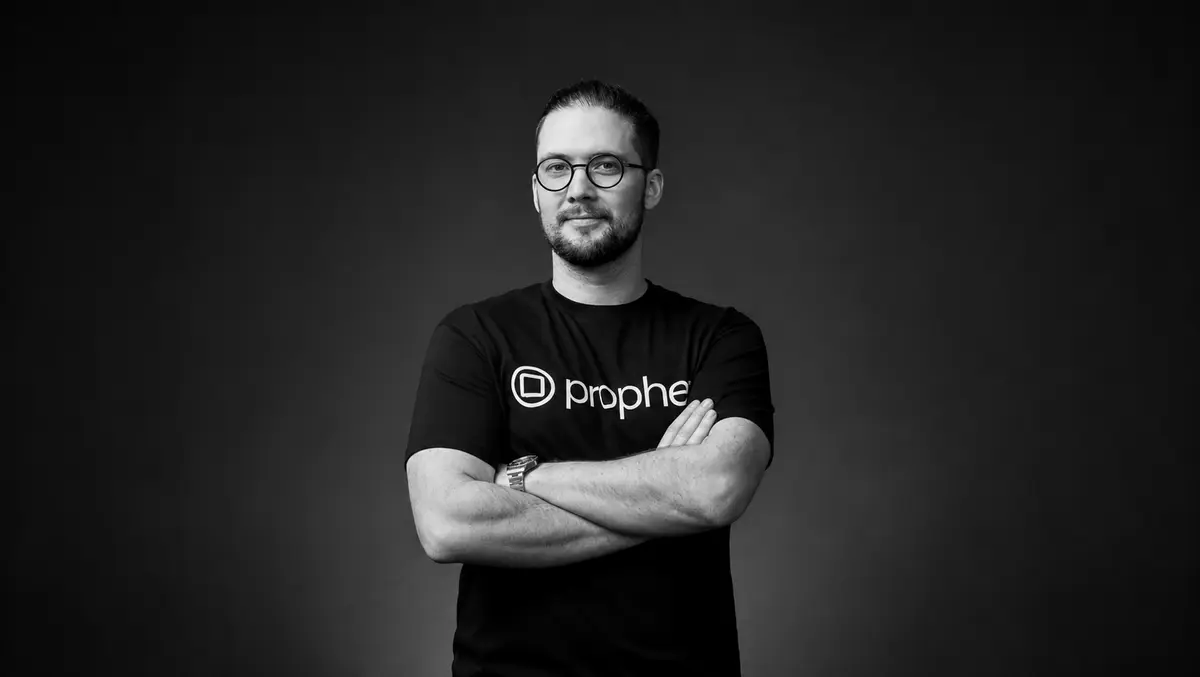
Jordan Taylor-Bartels, Chief Executive Officer, Prophet, said: "Marketing measurement has been noisy for a long time. A digital clone of a business cuts through it. BYD now has a replica model of its business that ingests 86,000 macro signals - and every dollar of media and the full behavioural mix - and answers the only question that matters: 'what happens if we do this instead?' The 20x efficiency gap we uncovered wasn't a finding, it was a starting point."
Demand drivers
For BYD, the study focused on identifying which channels were creating demand rather than simply appearing at the point of conversion. That distinction is especially relevant in the electric vehicle market, where buyers may take longer to move from initial awareness to a test drive or purchase.
Kate Hornstein, Chief Marketing Officer, BYD Australia, said: "As a new entrant, growth has never been about simply making noise. It's about building confidence in a category evolving at speed. Prophet helps provide a clearer understanding of what broader market influences are driving behaviour, and where brand, media and customer intent are working together. That clarity allows us to make smarter investment decisions, strengthen our connection with Australian customers, and continue pushing the category forward."
The findings also show how major media owners are trying to demonstrate the combined effect of television, streaming, radio and digital placements to advertisers. Cross-platform measurement has become more important as brands spread budgets across multiple channels and seek evidence of what contributes to both immediate response and longer-term demand.
Katie Finney, National Television Sales Director, Seven Network, said: "Our partnership with Prophet has allowed us to deliver an exclusive opportunity for brands to optimise their marketing strategies with the support of Seven's extensive total TV and SCA's audio advertising assets. The results of this independent study demonstrates what we already knew when we partnered with Prophet. Total TV doesn't just drive awareness - it fuels brand growth at scale, turning brands into category killers while simultaneously delivering short-term results such as increased test drives and sales."
Prophet was founded in 2020 and works with brands in Australia and overseas. It has recently expanded its leadership and advisory ranks, including the appointment of Rachel Scott as Head of Marketing Science, James Sawyer as Vice President of Sales and Partnerships, Phil Davis to its Advisory Board, and Professor Andrew Gelman as an adviser on statistical modelling.