

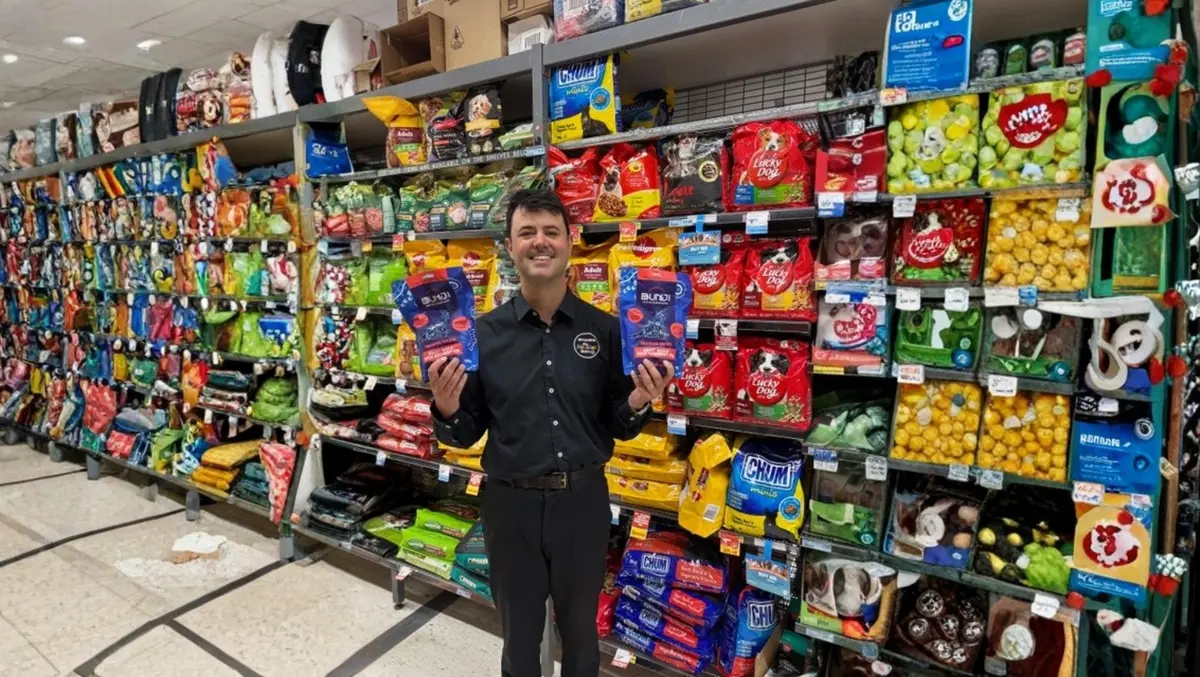
Bunji pet treats hit Ritchies stores in national rollout
Wed, 13th May 2026
Bunji dog treats and kibble are rolling out across Ritchies supermarkets, taking the Indigenous-owned pet food brand into 70 Ritchies IGA stores.
The expansion will lift Bunji's distribution to more than 200 independent supermarkets nationwide this month, adding to its existing presence in 50 Foodland supermarkets in South Australia and other independent IGA outlets across Australia.
Bunji is owned by Cooee Native Superfoods, a Wiradjuri-owned business founded by Terri-Ann "Tezzi" Daniel. The pet food range uses native Australian ingredients and is made in Inverell, New South Wales.
Ritchies is stocking four SKUs across kibble and treats, sold in 400g treat packs and 3kg kibble bags. Flavours include Roast Beef and Bush Rosemary Pie and Nana's Lamb and Saltbush Stew.
Native botanicals used in the recipes, including saltbush and bush rosemary, are sourced from Indigenous growers and communities. That approach is intended to keep supply and economic returns linked to the communities connected to those ingredients.
For Ritchies, the listing adds another Australian supplier to a supermarket group that has emphasised support for independent brands and local communities. Founded in 1870, the retailer operates IGA-banner stores nationally and says its Community Benefit Program has returned more than AUD $54 million to schools, sporting clubs and charities since 1993.
Daniel, founder and chief executive officer of Cooee Native Superfoods, said the retailer was a strong fit for the brand's approach.
"Bunji came from the same place as everything we do at Cooee: making products that people can trust and feel good about bringing into their homes," she said.
"Ritchies has a strong connection to community and a long history in Australian retail. It's the right home for Bunji."
Wayne Harrison, chief executive officer-elect of Ritchies, said the group saw a strong fit with its own priorities around supplier diversity and community ties.
"Cooee is an Indigenous-owned business with a clear sense of purpose, and that's something we value," he said.
"Our customers are looking for quality products with a genuine story behind them, and Bunji delivers on both. Backing Indigenous-owned suppliers like Cooee aligns with our long-standing commitment to community, and through this partnership, we're proud to support Indigenous farming initiatives that flow benefits back to the growers and communities behind these products."
Growth push
The supermarket rollout comes as Cooee Native Superfoods expands across retail, convenience and food service. The company recently acquired Adelaide-based Creative Native Foods, a supplier of native ingredients to restaurants and tourism operators.
The deal broadens Cooee's reach beyond packaged consumer products into ingredient supply for hospitality and tourism businesses. It also strengthens the company's position in the native foods market as provenance and local sourcing play a bigger role in buying decisions across food categories.
Within pet care, Bunji is targeting shoppers seeking Australian-made products with identifiable ingredients and a local manufacturing base. The independent supermarket channel has given the brand a path to scale without relying solely on national chains.
Ritchies' footprint gives Bunji access to a larger customer base in that part of the grocery market. Stock is already on shelves in selected stores, with the rollout continuing across the network.
Pet food remains a competitive segment, with supermarket shelves increasingly carrying specialist and premium-positioned products alongside mainstream brands. Bunji's point of difference is its use of native ingredients and its Indigenous ownership, both of which are becoming more visible themes in Australian consumer goods.
The listing also reflects how independent grocers are using local and niche brands to differentiate their ranges. For emerging suppliers, those retailers can provide national coverage on a smaller scale than the biggest supermarket groups while still offering meaningful volume.
Daniel said the business was focused on connecting native ingredients, manufacturing and community ties across categories.
"We're building a business that connects people, products and place. Bunji brings that same thinking into pet care."