

AI & robotics reshape Australian trades, says expert
Fri, 30th Oct 2026 (Today)
Apprenticeships Are Us says artificial intelligence and robotics are changing how Australian tradespeople work, affecting occupations from bricklaying to automotive repair.
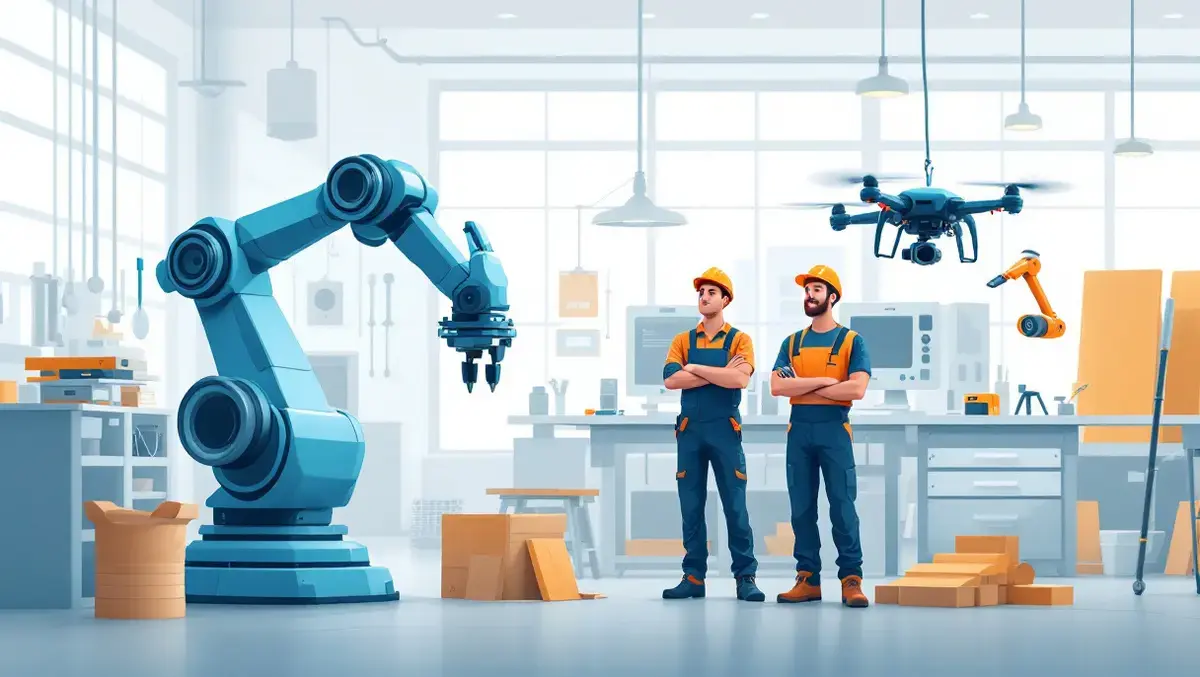
Digital tools are becoming more common across traditional trades, including robotic bricklaying systems, drones for roof inspections, thermal imaging in electrical work and computer-assisted fault-finding in workshops. Rather than removing the need for trades, the changes are reshaping the mix of skills needed on worksites and in repair businesses.
Dr Michael Wentworth, Managing Director of Apprenticeships Are Us, said the trend is challenging long-held assumptions that trades are low-technology jobs.
"People often talk about AI replacing jobs, but there's another side to the story. Technology is reinventing many existing occupations, including trades that have been around for hundreds of years," Wentworth said.
He pointed to areas where new systems are already being introduced into daily work. In bricklaying, robotic systems can follow digital building plans to automate parts of brick placement, while tradespeople still handle site preparation, oversight, complex construction tasks and quality checks.
Electrical work is also changing. Thermal imaging is already used to identify overheating components, and AI-assisted diagnostic systems are emerging to help technicians detect and assess potential faults.
On roofs, drones are being used for aerial inspections, while image analysis software can help identify damage and defects before workers carry out a physical inspection. In automotive workshops, computerised diagnostics have become a standard part of servicing, and more advanced systems are helping mechanics analyse vehicle data and investigate faults.
Panel beating and refinishing are also being reshaped by software and digital imaging. Businesses are using digital measuring systems, 3D scanning and computerised colour matching, while AI-assisted damage assessment tools are starting to influence how repair work is assessed.
Manufacturing offers another example. Robotics, automated production systems and AI-supported machine vision are being used to identify defects, improve consistency and take on repetitive tasks on production lines.
Wentworth said the practical element of trade work remains central even as software and machines take on a bigger role.
"Bricklayers, electricians and mechanics will always need practical skills, but increasingly they are working with technologies that can make parts of their jobs faster, more precise and safer. The real opportunity is combining traditional trade skills with new technology. That's where the next generation of apprentices will have an important role to play," he said.
The shift is also changing how trade careers may be presented to younger workers. Apprenticeship providers and employers have spent years trying to address skills shortages in several sectors, and Wentworth said the spread of digital tools could help make some roles more attractive to people who have grown up using technology.
"Young people have grown up surrounded by digital technology. Many are comfortable learning new systems and adapting to technological change. When we combine that familiarity with quality apprenticeship training and practical experience, we can develop a workforce capable of helping Australian businesses remain competitive," he said.
Training pressure
The move towards more technology-heavy workplaces is also happening as employers face cost pressures. Wentworth said businesses are weighing higher wages, insurance premiums and other operating costs alongside changes to apprenticeship incentives.
"Employers are already dealing with rising wages, insurance premiums and operating costs. Changes to apprenticeship incentives add another consideration when businesses are deciding whether they can afford to take on an apprentice. But businesses also need to consider the longer-term cost of not investing in their future workforce. For example, technology is changing the skills employers will need. If we don't continue training apprentices today, we risk creating a skills gap that will be much more difficult and expensive to address tomorrow," he said.
That concern feeds into a wider debate about whether Australia's apprenticeship system is keeping pace with changes in workplaces. As more trade businesses introduce diagnostic software, digital measurement tools and automated systems, providers may face pressure to update training so apprentices encounter those systems earlier in their careers.
Wentworth said the issue is not whether technology removes the need for skilled workers, but whether training evolves quickly enough to reflect how jobs are changing.
"Technology doesn't automatically eliminate the need for skilled workers. In many cases, it changes what those workers do and the skills they need. Someone still needs to understand the building site, diagnose the vehicle, install the electrical system or ensure the finished product meets the required standards. The technology is a tool. The expertise and judgement of the tradesperson remain essential," he said.
He added that apprenticeship models, training providers and industry need to remain aligned as those demands shift.
"We need to make sure our apprenticeship system is preparing young Australians for the workplaces they will enter, not simply the workplaces we have known in the past. A trade qualification provides the foundation, but ongoing learning and exposure to new technology will become increasingly important throughout a tradesperson's career. If we want a productive, technologically capable economy, we need to continue investing in the people who will build, maintain and repair it," he said.