

Abbott launches tiny Libre 3 Plus diabetes monitor
Thu, 2nd Apr 2026.webp)
Abbott has launched the FreeStyle Libre 3 Plus continuous glucose monitoring system in Australia. The device is designed for people with diabetes who need to track glucose levels throughout the day, and Abbott describes it as the world's smallest continuous glucose monitor.
Worn on the upper arm, the sensor sends glucose readings to a smartphone, removing the need for routine finger-prick checks. Abbott says it is about the size of an AUD $2 coin, can be worn for up to 15 days, and integrates with the mylife YpsoPump insulin pump to allow automated insulin delivery for users of the paired devices.
Smaller devices
The launch comes as diabetes technology becomes smaller and more connected, with manufacturers focusing on devices that fit more easily into daily life. Continuous glucose monitors and insulin pumps have been available for years, but users have often faced limits on which systems work together.
That matters for people with type 1 diabetes, who may rely on a mix of glucose monitoring, insulin delivery and regular checks to manage a chronic condition that requires constant attention. Automated insulin delivery systems use glucose data from a sensor to help adjust insulin doses through a pump.
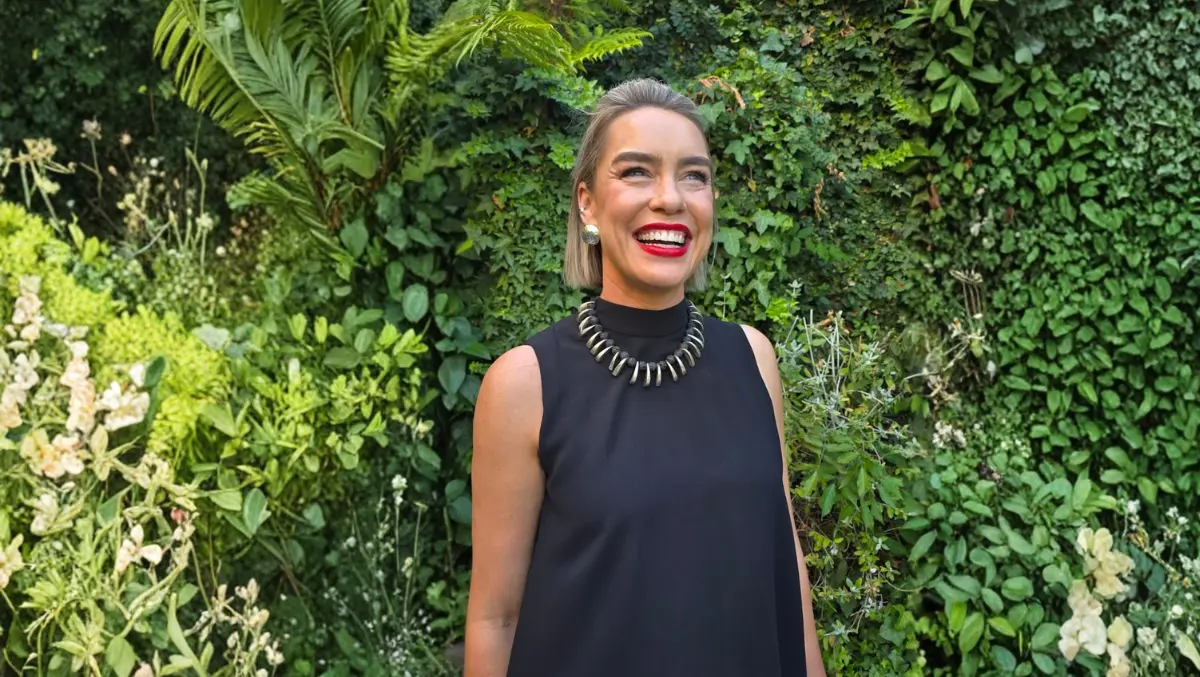
Melbourne entrepreneur Alex Tempany, who has lived with type 1 diabetes for more than three decades, is among the early Australian users of the new sensor. She runs a jewellery business and says device size and visibility have shaped how diabetes technology fits into her work and daily routine.
Tempany described older systems as more intrusive and harder to manage in public-facing settings such as fashion events and photo shoots. Before moving to newer diabetes devices, she used multiple daily injections and frequent finger-prick testing.
Her experience reflects a broader shift in medical wearables towards tools that are less visible and more closely linked to mobile devices. In diabetes care, that trend is tied not only to convenience but also to reducing the burden of repeated manual checks and device management.
"The biggest difference with Libre 3 Plus is that it feels like a choice based on my needs, not compatibility. It's unbelievably small - that's the biggest day-to-day win. It's more comfortable and way less noticeable, which I really value."
"It's tiny, it's discreet, and it doesn't get in the way of my life. I can wear whatever I want, carry my kids, go to events, and not think about it," Tempany said.
Connected care
Compatibility between glucose monitors and insulin pumps has become a key issue in diabetes treatment, particularly for people who want to choose devices based on preference rather than technical limits. When paired systems share data in real time, the pump can respond to changing glucose readings with less manual intervention.
The new system's integration with mylife YpsoPump gives users another option in a market where sensor and pump combinations have not always been interchangeable. That can affect not only treatment choices but also comfort, visibility and ease of use.
"The integrated system with Libre 3 Plus just feels easier. The data comes through seamlessly and is really simple to understand, which takes a lot of the mental load away. Less steps involved and less errors means it's lessening the impact of diabetes on my life," Tempany said.
For users, the appeal of connected devices often lies in reducing the number of decisions needed each day. Diabetes management can involve constant monitoring of meals, activity, glucose changes and insulin dosing, with mistakes carrying immediate health risks.
Libre continuous glucose monitoring sensors are subsidised in Australia for people with type 1 diabetes through the National Diabetes Services Scheme. That support has helped expand access to CGM technology beyond private purchase, though device choice and compatibility remain important considerations for many users.
Tempany said the ability to choose a preferred sensor matters as much as the data itself. "You can't manage what you can't see. CGMs were the single biggest shift for me in managing my diabetes, so being able to choose the CGM I prefer is a bonus. It's not just about insulin, it's about understanding what's happening in your body in real time."
She said years of living with the condition had changed how she viewed the role of technology in everyday life. "When you've lived with diabetes as long as I have, you get tired of your condition announcing itself. This is the first time I've felt like the technology fits around my life, rather than the other way around.
"It might just look like a small piece of plastic, but for me, it represents progress, freedom and feeling comfortable in my own skin."